February 21, 2026

Phenology Saturday

Phenology is the study of cyclic and seasonal changes in nature. It's nature's calendar - when flowers bloom, leaves break bud, birds begin migrating, leaves change color and begin to fall, and so on. Farmers and gardeners use phenology to develop a planting schedule. Researchers observe changes in phenology as an indicator of the vulnerability of species and communities to changes in climate.

I record the phenology in my garden to broaden my awareness, deepen my connection to the wildlife around me, and to better understand the calendar of my environment and how it is changing. I'm focusing on a few native plants and personal favorites in my yard, the birds at my feeder, and some specific patches of leaf mulch (for insects).

1. Devotions
2. Beingness 
3. Earth Action
4. Phenology journal
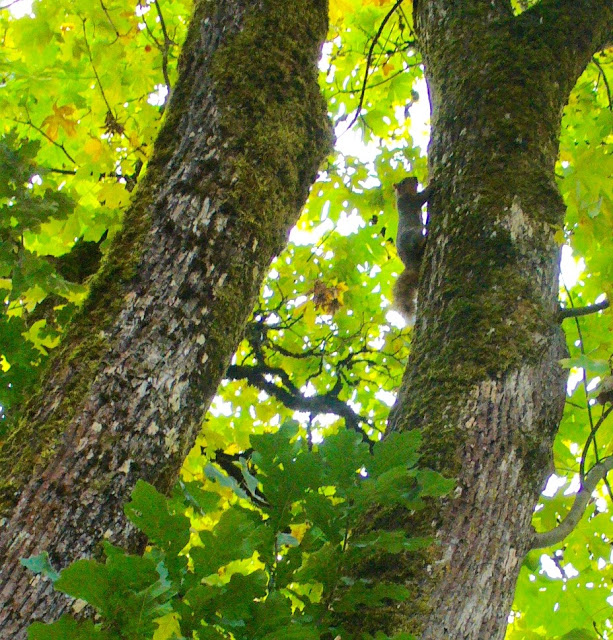
5. New squirrel feeder

February 20, 2026

Priority Check In

My top four priorities
are:
  1. Grandsons and family.  
  2. Writing my book.
  3. Earthcare action.
  4. Integrity with home projects.
I'm not great at actual prioritizing; I set good priorities, but then don't take action on them FIRST. I have a mental disconnect between knowing my priorities and acting on them.

I'd like to set an intention this month to schedule my priorities early in the day, define the smallest step, and then give deliberate focused attention to that specific task, saying  no to distractions and other matters.

Agenda:
1. Devotions
2. Beingness 
3. Earth Action
4. Read "Perspective"
5. New narrative
6. Days of passion flow plan

February 19, 2026

Ramadan

Sunset photo by Brayden
Last night was the start of Ramadan, an Islamic holy day that marks the discovery of the Qur’an by the Prophet Muhammad.

Ramadan is a month of blessing. The Islamic calendar is totally lunar, so Ramadan is a few weeks earlier each year, at the sighting of the thin crescent moon, hopefully at sundown tonight. By night, Muslims read the Qur'an, and celebrate the compassion of God with special prayers. 

By day, they give to charities, and observe the discipline of fasting: They eat an early morning meal before the sun rises, then eat and drink nothing until after sundown. The Ramadan fast includes abstinence from falsehood and anger, in words and in deeds.

Even though I don't partake in a fast, I observe Ramadan in this same spirit, renewing my relationship with God, and exercising self-discipline and generosity. I hope to build my empathy for Muslims as they observe their month-long fast.

1. Celestial awareness
2. Read "The Book of Doing and Being"
3. Beginner's mind meditation for Being
4. Projects for the week
5. Celebrate Iftar

February 18, 2026

Ash Wednesday and Ramadan

Ash Wednesday
 is the first day of 
Lent, a 46-day period of preparation for the joyful Easter celebration. The word lent comes from the Anglo Saxon word lencten, which means "lengthen"; it refers to the longer days of spring. Lent is about mortality and transformation; death and rebirth. Marcus Borg says, "It means dying to an old way of being, and being born into a new way of being, a way of being centered once again in God."

At Lent I allow myself to be slow, simple, and thoughtful. I spend time each day in focused study and prayer. This year I'm really taking that to heart with a totally simple set of practices. My theme is Being At One with the Earth, because I want to help to  dissolve  the boundaries between myself and nature:
  • Devotions: I intend to read Living Earth and Earth Medicine as daily devotionals, because starting my day with attention to the Earth will open the door to new connections.
  • Beingness: I intend to fast from being indoors all day - I will spend much more time outside - walking, doing Oneness and awareness exercises, and simple garden tasks, because this will lead to a deeper experiential connection.
  • Earth Action: And I intend to take action on my Nature-Culture book - writing and practicing what I write - creating sanctuary, practicing reciprocity, and producing creative Oneness projects, because I want to model how to shift the paradigm towards unity with all of nature.
And tonight is the start of Ramadan, an Islamic holy day that marks the discovery of the Qur’an by the Prophet Muhammad. The Islamic calendar is totally lunar, so Ramadan is a few weeks earlier each year, at the sighting of the thin crescent moon, hopefully at sundown tonight. I'll write more about Ramadan tomorrow.

Agenda:
1. Devotions
2. Beingness 
3. Earth Action
4. Read "The Earth Keeper's Handbook"
5. Proaction and reciprocity plans
6. Make pretzels
7. Hang up the Lent Lady

February 17, 2026

New Holiday Moon and Chinese New Year of the Horse

Today is the Chinese New Year
which starts when the new moon appears in China. This is the month of the Holiday Moon, and the year of the Fire HorseHorses represent strength, freedom, and spirited perseverance, and the element of fire magnifies these qualities with its intensity, urgency, and passionThis will be a fast-moving, high-energy year, with a stronger drive -- ideal for pursuing new opportunities, and making it especially important to stay attuned to the body’s limits and energy reserves.

This first new moon of the Chinese year is called the Holiday Moon, because it's the start of a month-long holiday season in China. The new moon is a time of high energy and clear thinking. Historically, the new moon is when women took time to be alone; it's a time to retreat, set intentions, and initiate something new.

The first day of the Chinese New Year is called Yüan-tan, the "Day of Origin". This one day determines the luck for the entire year, so Chinese people are careful to use their best manners and to remain honest and peaceful.

Agenda for today: 
1. Retreat Day
2. Choose a month theme
3. Set intentions
4. Eat jai for breakfast
5. Give gifts
6. Make and give hóngbāo (money packets)

February 16, 2026

Maslenitsa and Chinese New Year

Maslenitsa (масленица) is the oldest of all Russian holidays. It began as a spring equinox festival called Jarilo, named for the Slavic god of the vegetation and spring. Later it became a Christian holiday, starting on the Monday one week before the Eastern Orthodox Lent.

Maslenitsa is the Russian version of Carnival, with eating, drinking, sledding, games, and costume parades. Like many spring festivals it's a melding of Christianity and Earth Religion, and all of its events still focus on driving away the winter and re-awakening nature.

In Russia, Maslenitsa lasts the entire week, and ends with Forgiveness Sunday, the day before the start of Orthodox Lent, on Clean Monday (February 27th this year).

And tonight is Chinese New Year's Eve. In China, New Year's evening is called Ch’u-yeh, the "evening of discarding", because we can finally be done with the old year, and with winter. This last day of the year is busy for Chinese families, because it’s the last chance to complete preparations and be ready to start the year fresh. When the running around is done, the family spends the rest of the day at home together -- family connections are the big theme for this holiday.

Agenda:
1. Make an effigy doll
2. Make blini pancakes
3. Thanksgiving ceremony
4. Welcoming ceremony
5. Have a family open house