Showing posts with label seeds. Show all posts

February 15, 2026

Seed starting

I'm experimenting with new seed starting practices
this year, to get away from using plastic and other ways we harm the earth; and also just because my seed starting hasn't been very successful lately.

Agenda:
1. Potting soil
2. Pots and trays
3. Lights and sun
4. Plant peppers
5. Brainstorm for Oneness with the Earth

October 4, 2025

October Garden

The season is moving along, and I'm trying to catch up. We were out of town for a week, and temperatures dropped and rain increased while we were gone. 

The garden looks pretty raggedy and needs some tender loving care!

I'm still harvesting tomatoes, beets, peppers, rhubarb, and a few beans.

Agenda this week:
1. Finish preparing beds
2. Planting
3. Save seeds

October 21, 2024

The October Garden

October is often wet here in our valley
, and finally the weather is starting to cool off, so I face the challenge of the lure of hibernation: I'd rather not garden in the rain!

But if I can be strong, get on my rain gear, and take a daily tour of my garden, I find many simple things to do, without getting too muddy. The best tip I've read in any permaculture blog Is this: Be consistent with 15-minutes a day, year round.

I try to take a 15-minute walk through my garden each day, and I alternate the front and back gardens so I don't feel rushed. The consistency of the 15-minute daily visit keeps me connected to my garden even when I don't accomplish much. I notice the changes of the season, and how many bees I still have. As Amy from 10-Acre Farm says, "It helps me to enjoy 'being' in the garden, rather than always focusing on the 'doing'."

Agenda:
1. October harvest
2. Save seeds
3. October garden care and bedding down
4. Fall planting
5. Raspberry pruning and thinning

September 27, 2024

Days of Grandsons

Our days are defined right now by our grandsons;
we plan all else around them, and they make us who we are.

They are with us on most days of the week, rain or shine and in sickness and health. Our house is filled with toys and kid-friendly furniture. We schedule around them and for them. We are exhausted by them and miss them terribly when they are gone.

On Grandson Days we prepare for field trips, library visits, collection walks, and art projects. I think about how I will include them in my garden work and in my cooking. And I remember to be flexible, because I never know when they will be interested and when they will not. 

1. Read "The Creativity Book"
2. Teaching art
3. Collection walks
4. Acorn and pinecone rolly-polly painting
5. Seed medallion

September 13, 2024

Mid-September Garden

The September garden is cooler and calmer.
The summer harvest is dwindling, and we have some rainy days to refresh the green. My fall planting is going well, and I can relax with the watering. This is the time to begin a little garden clean up, and preparing for winter.

Agenda: 
1. September garden tasks
2. Garden clean up and winterizing
3. September planting
4. Save seeds
5. Freeze tomatoes

February 22, 2024

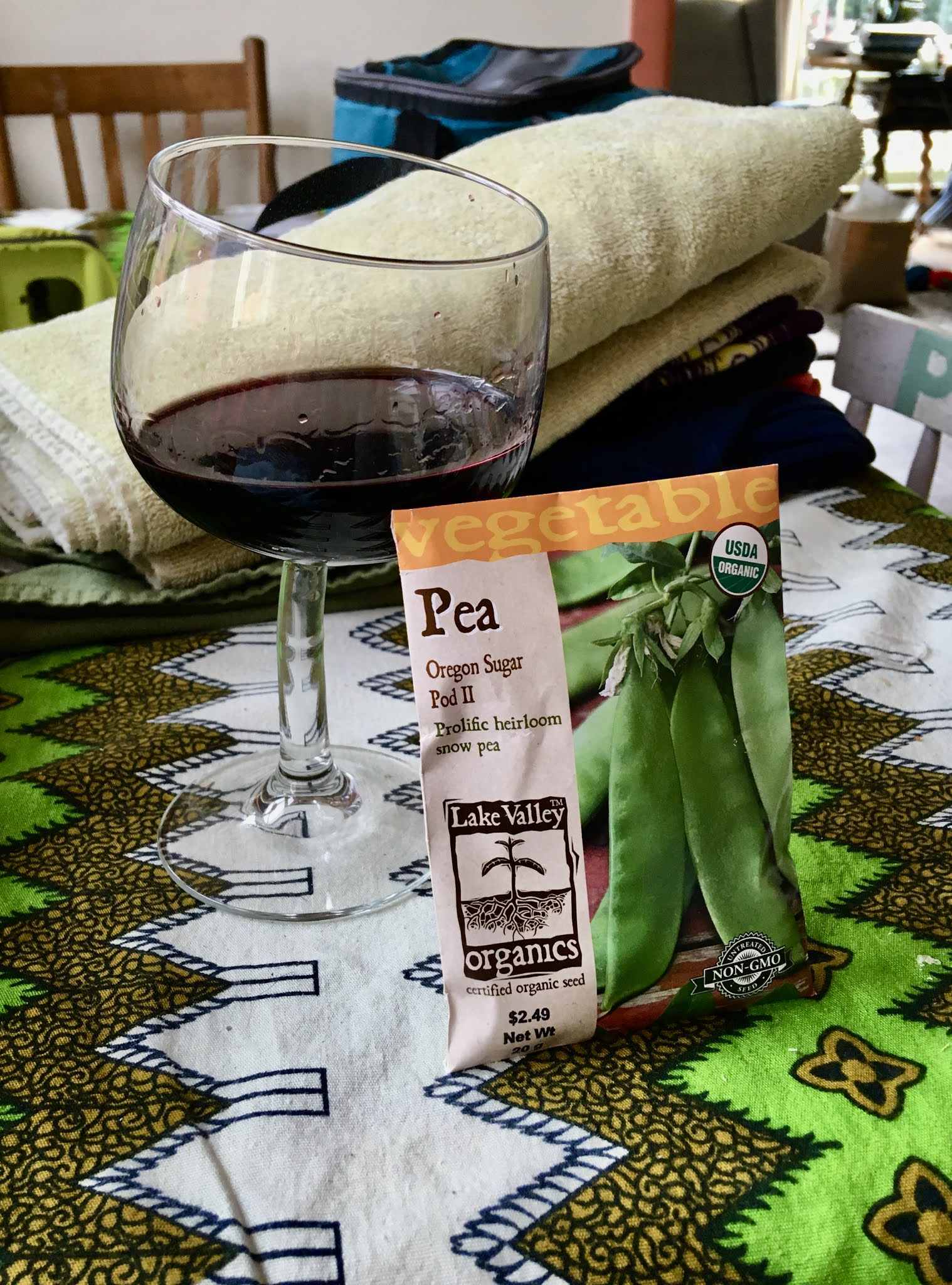
Pea Planting Day

Pea Planting Day is a special anniversary for us. February 22 is listed on my planting calendar as the first day to plant peas in the Willamette Valley; it also happens that this is the day W and I got engaged to each other, 48 years ago!

Peas are traditionally the first vegetable sown outside in the spring because they will germinate and grow in very cool soil. We plant peas today to ceremonially kick off the start of the planting season, and also to remind ourselves of the beginnings of our relationship; the day we decided to be together forever.

Agenda:
1. Read "The Wheel of the Year"
2. Pea planting ceremony
3. Permaculture pea tips

February 20, 2024

February Garden

My winter garden
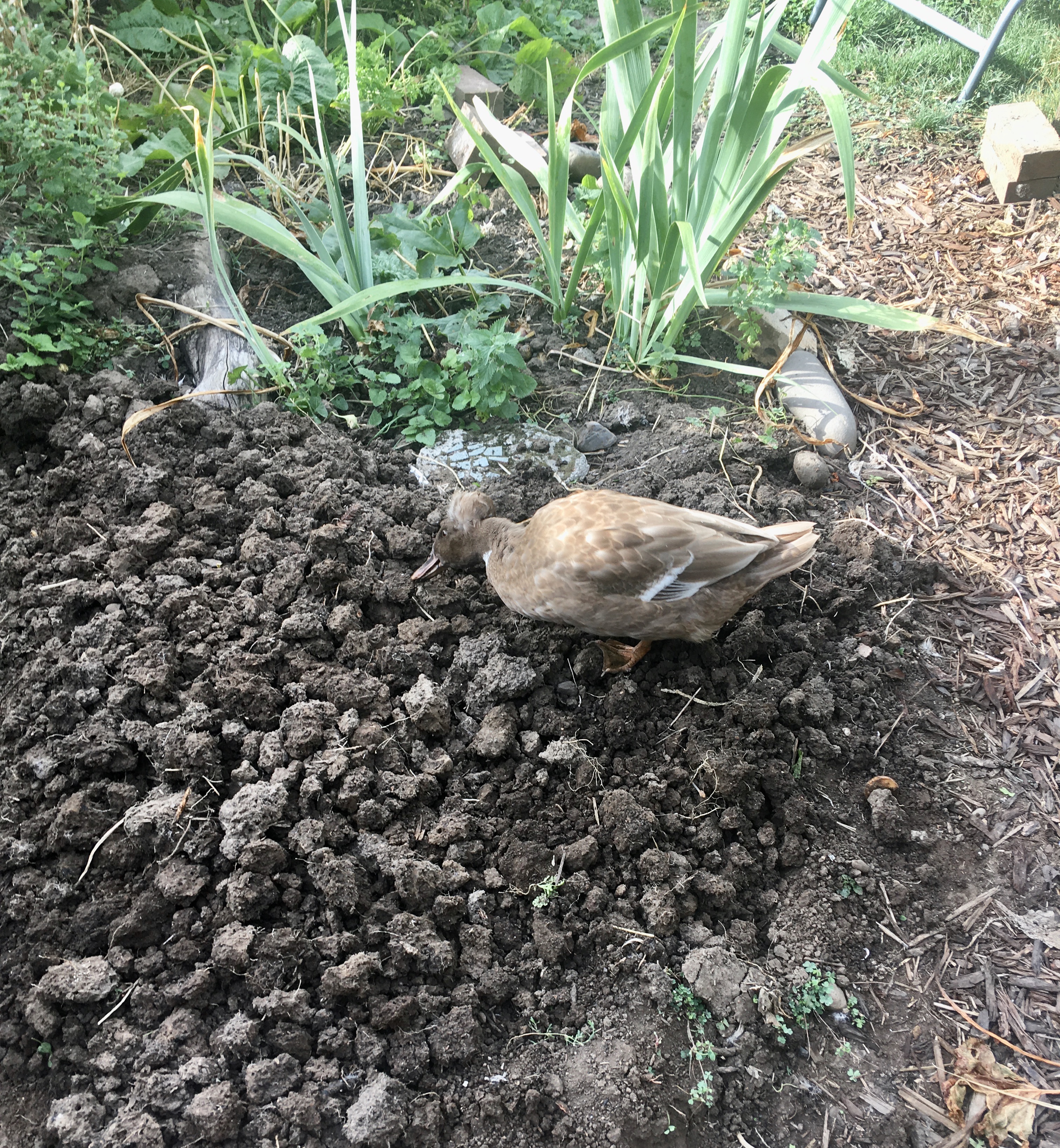
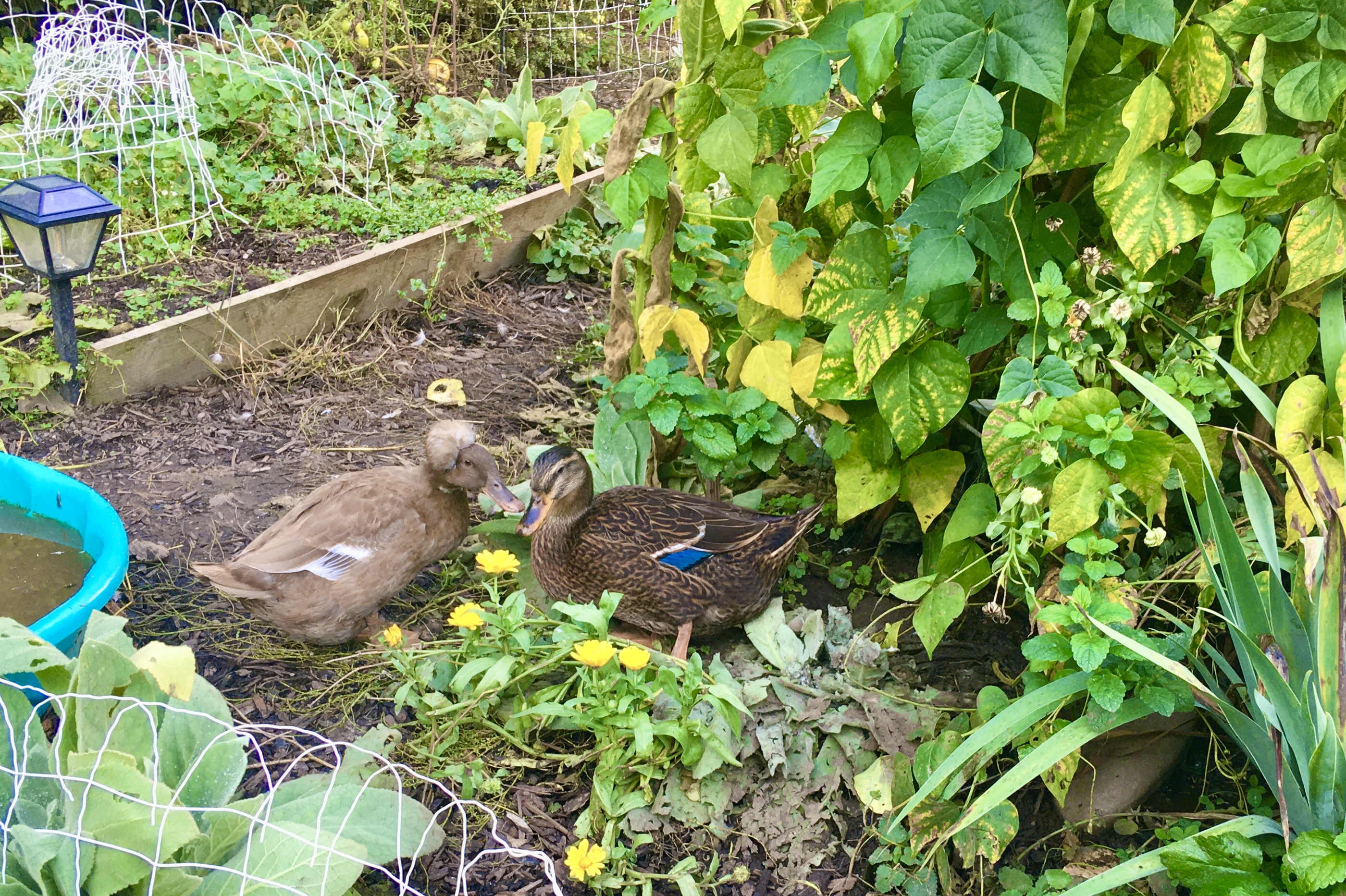
is beginning to pop. We have bulbs flowering all over, and camellias, of course. The fall planted garlic, leeks, and beets are up, and cabbages are starting to recover from the duck attack.

My main focus in February is to plan the next season's garden, and take care of the nature that continues to live here. As always, I'd rather not go into the garden in the rain and the mud, but if I can be strong, get on my rain gear, and take a short daily tour of my garden, I find many simple things to do, without getting too muddy.

The best tip I've read in any permaculture blog is: Be consistent with 15-minutes a day, year round. I try to take a 15-minute walk through my garden each day, and I alternate the front and back gardens so I don't feel rushed. The consistency of the 15-minute daily visit keeps me connected to my garden even when I don't accomplish much. As Amy from 10-Acre Farm says, "It helps me to enjoy 'being' in the garden, rather than always focusing on the 'doing'."

Agenda:
1. Read "A Comfort of Crows"
2. Garden plans
3. February tasks
4. Pepare to plant
5. Make potting soil

February 6, 2024

St. Dorothy's Day

St. Dorothy lived in Caesarea in central Turkey, around the year 313 AD. She was tried for refusing to worship idols, and a mocking lawyer asked her to send him fruit from the garden of Paradise. In response to her prayer, an angel appeared and presented three roses and three apples.


"And then said the holy virgin with a glad semblant: Do to me what torment thou wilt, for I am all ready to suffer it for the love of my spouse Jesu Christ, in whose garden full of delices I have gathered roses, spices, and apples."

Because of this, she is the patron of gardeners. Also of brides, and brewers.

Agenda Today:
1. Make Persian Spiced Apples
2. Garden journal queries
3. Garden visualization & plan
4. Cold stratify milkweed seeds
5. Make plant markers

February 1, 2024

Imbalc

Today is Imbalc (pronounced Im-molc), the Celtic Sabbat that falls between the winter solstice and the spring equinox. It's celebrated sometime around the first of February, as the "beginning of the end" of winter.

Imbalc means "surrounding belly" - the Earth Mother’s womb; soon the seeds in the womb of the earth will begin to swell and creative forces will begin to come alive in the world.

Imbalc is sacred to Brigid, the European and Celtic goddess of healing, crops, poetry, and creativity. As a sun goddess her powers are light, fire, inspiration, and vital energy: Wow! She’s one of my favorite images of the Spirit.

Brigid is the maiden aspect of the Great Goddess and so her color is white; her symbols are a sun-wheel, Brigid's cross, snake, and cock (herald of the new day). 

Agenda for today: 
1. Look for signs of the end of winter
2. Make a Brigid's Cross
2. Make Irish seed cake
3. Seed blessing ceremony
4. Have a fire

January 14, 2024

Retreat for Discernment

I'm having my New Moon retreat day this weekend, a couple of days to be unsocial, and give attention to my theme for the month, which is discernment. As luck would have it, we had a serious ice storm yesterday, and the whole town is shut down. All of my responsibilities have evaporated!
I've chosen the theme of discernment for this month, because I have so much figuring out going on. Today I will sink in to the quiet of the winter and open to leadings of the spirit.

Agenda:
1. Read 
"A Comfort of Crows"
2. Bird watching
3. Garden plans
4. Living room blessing

October 16, 2023

The October Garden

October is often wet here in our valley, and finally the weather is starting to cool off, so I face the challenge of the lure of hibernation: I'd rather not garden in the rain!

But if I can be strong, get on my rain gear, and take a daily tour of my garden, I find many simple things to do, without getting too muddy!

The best tip I've read in any permaculture blog Is this: Be consistent with 15-minutes a day, year round. I try to take a 15-minute walk through my garden each day, and I alternate the front and back gardens so I don't feel rushed. 

The consistency of the 15-minute daily visit keeps me connected to my garden even when I don't accomplish much. I notice the changes of the season, and how many bees I have. As Amy from 10-Acre Farm says, "It helps me to enjoy 'being' in the garden, rather than always focusing on the 'doing'."

Agenda:
1. October harvest
2. Save seeds
3. October garden care and bedding down
4. Fall planting
5. Raspberry pruning and thinning

October 15, 2023

Autumn Navratri

Navratri is a Hindu holiday during which we honor and thank Shakti, the Divine Mother, in all her forms. Shakti is the universal principle of energy and creativity, Mother Earth, and the feminine power in each of us. 

The word nava means nine and ratri means nights; the festival lasts for nine nights, symbolic of the nine months in the womb.

Navratri is celebrated at least twice each year in India - in the spring and fall - because these are times when nature and people undergo great changes. Autumn (Sharad) Navratri begins on the day after the rise of the new moon in late September or early October.

The nine nights of Navratri are broken up into sets of three, and during each a different aspect of Shakti is meditated upon - the Goddesses Durga, then Lakshmi, and then Saraswati. Each of the three goddesses marks a stage of the spiritual journey we all go through: Durga’s strength and energy creates an opening, Lakshmi’s success and fortune nurtures growth, and Saraswati’s wisdom and knowledge leads to enlightenment, happiness, and peace.
 
Agenda for today:

1. Morning meditation and mantra
2. Make a rangoli design
3. Plant grain seeds
4. Set up an altar for Mother Nature

March 7, 2023

Full Egg Moon and Holi

The full moon of March is the atcha-uyu or "Women Dig Camus" moon by the Kalapuya of my area, and the Egg Moon by others, because this is the month when birds begin to lay eggs again. The egg is a powerful symbol of hope, new beginnings, and completeness: My vague ideas take a solid shape, enclosed in a perfect shell, and I have created a whole new beautiful thing! The March Full Moon is a good time to ponder what I need to be made complete.

We are now at the peak of the high-energy yang phase of the waxing moon, and will soon begin the low-energy yin time of the waning moon.

Today is also Holi, a Hindu holiday that falls on the day after the full moon in March each year. It marks the end of winter in India. Holi is sometimes called the Festival of Color, because on Holi everyone in India throws paint at each other! 

To prepare, folks buy gulal, which are powdered paints in rich colors of pink, magenta, red, yellow and green. Three days before Holi, families get together to sprinkle a little of the gulal powders on each other, to share love and blessings. 

On the day of Holi the whole country goes wild with people laughing and running in the streets; they smear each other with powder, drench each other with buckets of paint, and spray paint with long pistons (like super-soakers). They also fill water balloons with paint! People often show respect for elders by sprinkling dry powder on their feet. 

By the end of the day everyone is covered with color- old people, children, men, women, rich and poor. Holi creates a feeling of equality in a country with strong disparity.

Agenda Today:
1. Take a vision walk
2. Celebrate strength
3. Make Malpua
4. Have a color celebration
5. Plant the sabzeh

February 1, 2023

Imbalc

Today is Imbalc (pronounced Im-molc), the Celtic Sabbat that falls between the winter solstice and the spring equinox. It's celebrated sometime around the first of February, as the "beginning of the end" of winter.

Imbalc means "surrounding belly" - the Earth Mother’s womb; soon the seeds in the womb of the earth will begin to swell and creative forces will begin to come alive in the world.


Agenda for today: 
1. Make a creativity altar
2. Seeds of inspiration
3. Seed blessing ceremony
4. Make a Brigid's Cross
5. Make Irish seed cake
6. Have a fire

October 13, 2022

Medicine Art for Fall Seeds

I'm designing a Medicine Art practice
that I can teach and share, that will open the doors of creative healing to anyone, any age, any ability. The goal for my practice is to heal our connection to the earth and Creation. 

We are all (de facto) connected because we are a part of nature, but we have built walls to keep nature separate, because our culture is human focused; we've been taught that we are more important than other parts of nature, and that's a hard lesson to unlearn. And when we begin to care more about nature it's easy to become overwhelmed, and then we need more walls to protect ourselves from feelings of anger and guilt.

Each Medicine Art step is a normal action that we do all the time. For example, let's say today you plan to make vegetable soup: You run out to the store or your garden to collect veggies, you prepare them by washing and cutting, you create the soup, and you share it with your family, perhaps giving thanksWith a little extra effort, the soup-making can become an intentionally healing process. When we do each action as a meditation, a prayer, everything we do in life can be a way to heal.

Today I want to share some Medicine Art practices and projects with fall seeds.

Agenda:
1. Collect seeds as a sacred activity
2. Observe seeds (with kids)
3. Dry seeds with care
4. Make seed packets
5. Bird seed Thanksgiving

September 26, 2022

Fall Navratri

Navratri is a Hindu holiday during which we honor and thank Shakti, the Divine Mother, in all her forms. Shakti is the universal principle of energy and creativity, Mother Earth, and the feminine power in each of us. 

The word nava means nine and ratri means nights; the festival lasts for nine nights, symbolic of the nine months in the womb.

Navratri is celebrated at least twice each year in India- in the spring and fall- because these are times when nature and people undergo great changes. Autumn (Sharad) Navratri begins on the day after the rise of the new moon in late September or early October.

The nine nights of Navratri are broken up into sets of three, and during each a different aspect of Shakti is meditated upon- the Goddesses Durga, then Lakshmi, and then Saraswati. Each of the three goddesses marks a stage of the spiritual journey we all go through: Durga’s strength and energy creates an opening, Lakshmi’s success and fortune nurtures growth, and Saraswati’s wisdom and knowledge leads to enlightenment, happiness, and peace.
 
Agenda for today:

1. Morning meditation and mantra
2. Make a rangoli design
3. Plant grain seeds
4. Set up an altar for Mother Nature
5. Set intentions

September 20, 2022

Late Summer Garden

September is always dry here in our valley, but this year the heat continued well beyond average. The garden is looking wilted and dusty, and the soil is exhausted. And the smoke from nearby fires is back, limiting my healthy time outdoors.

But the weather is starting to cool off, so (when the air quality allows) my goal is to get the garden in order this month, with no weeds, dead wood, weak plants, or disease - only the sweet smells of the flowers and fruits. With a little effort now the garden will shine for two more months with fall blooms and delicious vegetables.

Permelia, helping to prepare a bed.
All in the garden is changing, aging, ripening, and setting seed. Very soon this sweet summer spell will be broken, and winter will be upon us. Grounding and a good connection to the earth makes the big changes go smootherI stand firmly planted in my garden and call on my quiet inner strength and solidity to sustain me through the confusion of transition.

Agenda:
1. Read "The Earth Path"
2. Extend the season
3. Weeding and green mulching
4. Fall planting
5. Harvest and preserve
6. Save seeds

February 1, 2022

Chinese New Year and Imbalc (melded)

Today is Imbalc (pronounced Im-molc), the Celtic Sabbat that falls between the winter solstice and the spring equinox. It's celebrated sometime around the first of February, as the "beginning of the end" of winter. Imbalc means surrounding belly- the Earth Mother’s womb; soon the seeds in the womb of the earth will begin to swell and creative forces will begin to come alive in the world.

And it's also the Chinese New Year, which starts when the new moon appears in China (one day off from the new moon here, which rose yesterday). This is the month of the Holiday Moon and the year of the Tiger! The first day of the Chinese New Year is called Yüan-tan, the "Day of Origin". This one day determines the luck for the entire year, so Chinese people are careful to use their best manners and to remain honest and peaceful.

Agenda for today: 
1. Eat jai for breakfast
2. Give gifts
3. Make and give hóngbāo (money packets)
4. Creativity Altar
5. Write my seeds of inspiration
6. Seed blessing ceremony
7. Make a Brigid's Cross
8. Have a fire

April 12, 2021

Chaitra Navratri

Today is the start of Navratri, a Hindu holiday during which we honor and thank Shakti, the Divine Mother, in all her forms. Shakti is the universal principle of energy and creativity, Mother Earth, and the feminine power in each of us.

The word nava means nine and ratri means nights; the festival lasts for nine nights and ten days. Navratri is celebrated twice each year, in the spring and fall, because these are times when nature and people undergo great changes. Spring (Chaitra) Navratri begins the day after the new moon in late March or early April, and is celebrated as a request to Shakti for a good growing season.

This spring I'm going to experiment with gearing my Navratri celebration for a toddler! 

Agenda:
1- Make a rangoli design
2- Plant grain seeds
3- Set up an altar for Mother Nature

4- Morning meditation on strength5- Make channa sundal (spicy chickpeas)6- Evening visualization and prayer7- Durga mantra

February 1, 2021

Imbalc

Imbalc (pronounced Im-molc) is the Celtic Sabbat that falls between the winter solstice and the spring equinox. It's celebrated sometime around the first of February, as the "beginning of the end" of winter.

Imbalc means surrounding belly- the Earth Mother’s womb; soon the seeds in the womb of the earth will begin to swell and creative forces will begin to come alive in the world.


Agenda for today: 
1. Creativity Altar
2. Journal queries
3. Seed blessing ceremony
4. Start my Love Cycle
5. Make a Brigid's Cross
6. Make Irish seed cake
7. Have a fire