Showing posts with label phenology. Show all posts

May 2, 2026

May Garden

Our garden is keeping me sane.

1. Phenology journal:
I've been recording the phenology in my garden to broaden my awareness, deepen my connection to the wildlife around me, and to better understand the calendar of my environment and how it is changing. I'm focusing on a few native plants and personal favorites in my yard, the birds at my feeder, and some specific patches of leaf mulch (for insects).

This transition week to May 2026 was warm, overcast in the morning and sunny most afternoons. The high temperatures have been in the mid-60's, rising to 75ºF this Thursday.

As of early May, 2026, Eugene has recorded approximately 11.8 to 13.7 inches of rainfall for the year to date. This total is below the average pace of roughly 18-19 inches for this point in the season.

The USA National Phenology Network tracks the status of spring by when things bloom and leaves appear: "The First Leaf and First Bloom Indices are synthetic measures of these early season events in plants, based on recent temperature conditions. These models allow us to track the progression of spring onset across the country." 

It looks to me like our spring leaf-out was average, and our spring bloom was early. 

Serviceberry tree
May 2, 2026, Phenology Notes:

  • Birds: Few birds, mostly Jays.

  • Plants: Oregon Sunshine and Yarrow - both lush- no blooms yet; Red-flowering currant- flower buds are finished; Serviceberry- just beginning to bloom; Milkweed- coming up all over the place.
  • Insects: Lots of bees out.
2. May garden tasks:

The May garden is exciting but demanding. Watering is crucial, and harvesting begins in earnest. We've had some warm and dry days, interspersed with wet spring days - a nice mix, but the trend this month is drier.

I use the Second Breakfast Garden monthly guides, because they are in zone 8b.
  1. HarvestingI'm harvesting rhubarb, lettuce, spinach, and herbs. My rosemary, thyme, sage, and mint are in their full glory, and it's time to harvest them and hang bunches to dry. As soon as they go to flower their flavor won’t be quite as nice. 
  2. Set up hoses: When it gets dry I need to get the rest of my soaker hoses out and plan a layout. Also need to replace a long hose that is leaking.
  3. Cool season crops (greens, peas, beets, kale, etc.) might need nitrogen during this period of rapid growth - watch for yellowing of the older leaves, because nitrogen is a mobile nutrient and the plant will draw nitrogen from older leaves to support the younger ones. Use a nitrogen rich, liquid fertilizer which is easily taken up and put to use.
  4. ThinningCarrots: Use scissors to snip to the soil line. Remove all but one within a two inch radius. Beets: Each beet seed contains three or more plants. Gently pull or snip the extras so they each have about three inches of space. Lettuces: Gently pull extras so each has about a six inch radius.
  5. Warm season crops: I've just begun to hardening my pumpkins and tomatoes (cucumbers were started late) to set out anytime after Mother's Day. When planting cucurbits (melons, cucumbers, squash) don’t break up pot-bound roots. These plants have many delicate root hairs and don’t recover well from root disturbance.
  6. Slug and snail proaction: Here in my valley you have to have a plan or you will loose everything. remember the goal is to bring snail numbers down, not total eradicationI collect all of the leftover mulch and put it into the compost, and then sprinkle Sluggo sparingly, about 1 pellet every six or so inches. This week I'll need to protect my strawberries and new tomatoes.
Pest Control Philosophy at SBG: "My first step, is invariably to wait and see. Many pest species are a primary food source for other wildlife. They just need a minute to move in and solve my problems for me. If I must intervene, hygiene, flinging, and spraying with water is about as aggressive as my pest control measures get. If that fails and a chemical control (the synthetic and toxic kind) is necessary, then I shrug it off and leave it to fend for itself. I don’t see the logic in spending money to risk my health, and the health of the ecosystem to grow something I can do without."

3. Wildlife garden:
I've got a few spots to work on in the next months, little by little: 

1. A nice caterpillar haven under my service berry (low, sunny): I'm going to dig out all the buttercup, mulch it thickly, and then look for some native sedums - 
Oregon Stonecrop (Sedum oreganum): The most common native stonecrop, featuring shiny, fleshy green to reddish leaves and star-shaped yellow flowers.
Pacific Aster 
Dwarf Goldenrod (Solidago simplex)
 
2. A wetlands bed near the drain field (tall, sunny): I've got a checkermellow that needs a home, and perhaps...
Fireweed
Cascade Penstemon
 
3. Under the hawthorns, removing more iris and filling in (dry, shady).
Foothill Sedge (Carex tumilicola): Highly recommended for dry upland gardens, forming dense, fine-textured clumps that work well as a lawn alternative.

March 7, 2026

Early March Garden

March is when the gardening season
 increases in intensity. I will prepare my garden beds, and plant seeds indoors and out. Right now, it's still too cold to plant outside, but I have lots of preparation work to do!

Agenda:
1. Devotions
2. Beingness 
3. Ongo journal
4. March tasks
5. Plant indoors
6. Phenology journal

February 21, 2026

Phenology Saturday

Phenology is the study of cyclic and seasonal changes in nature. It's nature's calendar - when flowers bloom, leaves break bud, birds begin migrating, leaves change color and begin to fall, and so on. Farmers and gardeners use phenology to develop a planting schedule. Researchers observe changes in phenology as an indicator of the vulnerability of species and communities to changes in climate.

I record the phenology in my garden to broaden my awareness, deepen my connection to the wildlife around me, and to better understand the calendar of my environment and how it is changing. I'm focusing on a few native plants and personal favorites in my yard, the birds at my feeder, and some specific patches of leaf mulch (for insects).

1. Devotions
2. Beingness 
3. Earth Action
4. Phenology journal
5. New squirrel feeder

January 9, 2026

Third Quarter Moon of January and Nature-Culture Brainstorm

Today is the third Quarter moon.
 This waning moon energy is yin - quiet, internal, heart-driven, intentional Being-ness. At this phase we can ease off a bit on actively pursuing goals, slow down, go within, and attend to inner work, renewal, and self-care. This isn’t a moment for starting new projects but for finishing up old ones, making peace with the past, and preparing for a fresh start at the next new moon.

Agenda:
1. Ongo journal
2. Ritual for Release and Realignment
3. Meditation and Evaluation Journal
4. Bird and butterfly garden planning
5.
 Start a phenology journal
6. Days of Passion

June 29, 2025

Maidyoshahem

The Zoroastrian community honors the six seasons of the year by celebrating six Gahambars; the word gahambar means "proper season". Each of these six festivals is celebrated for five days, and each honors one of the six material creations: The heaven, water, earth, flora, fauna and man.
Maidyoshahem (may-eed-YO-sha-hem) is the second Gahambar, the Midsummer Rain feast, and it takes place each year from June 29 to July 3. This Gahambar celebrates the creation of water on our earth, and the last day is called Tirgan (pronounced Teer-gone), in honor of Tir, the angel of rain. Iranians celebrate Tirgan with dancing, singing, and by swimming and splashing water on each other.

Agenda this week:
1. Recite a Prayer
2. Read "Everyday Simplicity"
3. Teamwork plans
4. Make a Persian Salad
5. Phenology journal

May 1, 2025

May Day

May Day, 
on May 1st, is a spring celebration of the blooming flowers. It's an ancient holiday that originated with the festival of Floralia which honored Flora, the Flourishing One, the Roman goddess of spring. Flora is a bright nature goddess who makes trees bloom- she is a “lady of pleasure", but also a symbol of motherhood. She wears a garland of flowers in her hair, and in her right hand she holds a columbine, for fertility. 

Maying is what we call the things we do to celebrate this beautiful month-- going on picnics, picking flowers, dancing around a maypole, and sharing our love. In England a young woman is still chosen as May Queen, representing Flora, and is crowned with hawthorn blossoms. She is often accompanied by a May King.

Agenda today:
1. Prepare a Beltane fire
2. Bring in the May
3. May baskets
4. Make Tippaleivät (Finnish May Day Fritters)
5. Maypole Dances
6. Phenology record

February 22, 2025

Pea Planting Day

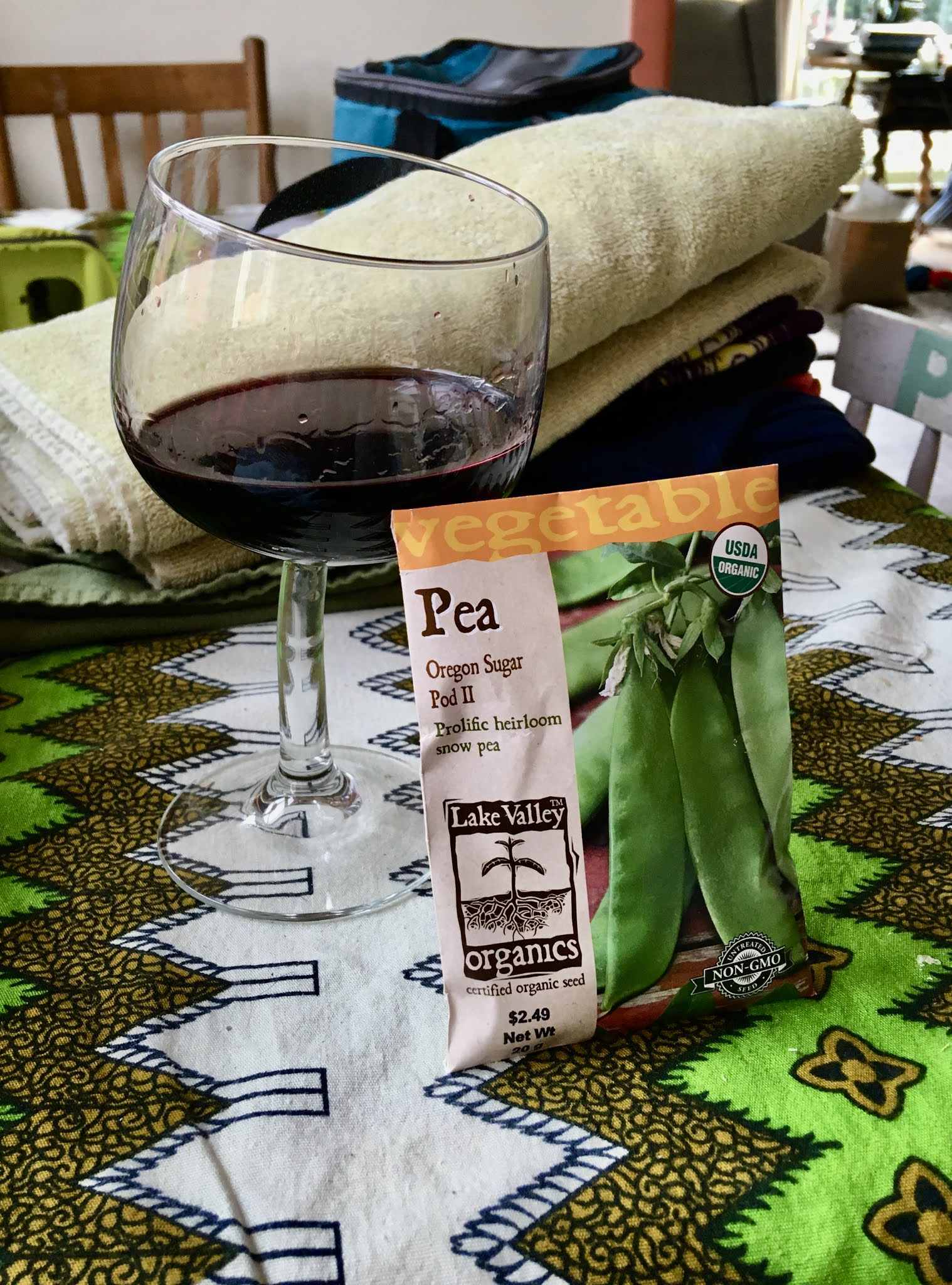
Pea Planting Day is a special anniversary for us. February 22 is listed on my planting calendar as the first day to plant peas in the Willamette Valley; it also happens that this is the day W and I got engaged to each other, 49 years ago!

Peas are traditionally the first vegetable sown outside in the spring because they will germinate and grow in very cool soil. We plant peas today to ceremonially kick off the start of the planting season, and also to remind ourselves of the beginnings of our relationship; the day we decided to be together forever.

Agenda:
1. Read "The Serviceberry"
2. Review essential intentions
3. Pea planting ceremony
4. Permaculture pea tips
5. Penology Journal

February 1, 2025

February Phenology Report

Phenology
is the study of cyclic and seasonal changes in nature. It's nature's calendar - when flowers bloom, leaves break bud, birds begin migrating, leaves change color and begin to fall, and so on. 
Farmers and gardeners use phenology to develop a planting schedule. Researchers observe changes in phenology as an indicator of the vulnerability of species and communities to changes in climate.

I've decided to study the phenology in my garden to broaden my awareness, deepen my connection to the wildlife around me, and to better understand the calendar of my environment and how it is changing. I'll focus on a few native plants and personal favorites in my yard, the birds at my feeder, and some specific patches of leaf mulch (for insects).

Agenda Today:
1. Read "The Serviceberry"
2. Phenology Journal
3. Mason bees

January 10, 2025

Winter Nature Culture

Nature-culture is my way to live as part of nature; sharing my resources with those who share theirs (the bees and the birds, etc.); becoming more aware of nature's needs so I can be a better neighbor; changing my habits so I can cause less harm.

My working definition of Nature-culture is "Humans living in unity with nature: acting in ways that create shared spaces that mimic the diversity, stability, and resilience of natural ecosystems."

I've taken quite a bit off time off from my garden.
It doesn't need much from me right now, and I'm not eager to go into the mud. But winter is a great time for observation, planning, and preparation, and today I will find a dry window to take a notebook and a camera outside for an observation session.

Agenda:
Daffodils up, 1-10-25
1. 
Review the Divine Laws
2. Prayer Candle ceremony
3. Read "Serviceberry"
4. Hope and Resilience
5. Bird and butterfly garden planning
6.
 Start a phenology journal
7. Brush and leaves