
And Nowruz is the Persian New Year, which begins each year at the time of the spring equinox in Iran, and is celebrated for two weeks. The word Nowruz means New Day in Persian. It’s an ancient Persian belief that creation of the world took place on the first day of spring.
Agenda Today:
1. Journal queries2. Writing themes and passion flow plan
3. Spring decorating
4. Dye a few eggs
5. Make Koloocheh Cookies
6. Set up a haft sin
7. Nowruz Ceremony
1. Journal queries:
Consider the balance in my life.
How well do I balance my physical, mental, and spiritual needs?
How can I balance my personal needs with my commitments to the outside world?
How do I balance my Being (mindful, compassionate, grateful) with my Doing (engaged, kind, and giving)?
Think also of the balance in the world; meditate upon what this half of the year will bring, dark and light, and how best I can take right action in the world.
Consider the balance in my life.
How well do I balance my physical, mental, and spiritual needs?
How can I balance my personal needs with my commitments to the outside world?
How do I balance my Being (mindful, compassionate, grateful) with my Doing (engaged, kind, and giving)?
Think also of the balance in the world; meditate upon what this half of the year will bring, dark and light, and how best I can take right action in the world.
From my journal: I'm finding a good balance lately of all my parts, and the world, but not so much with the Being and Doing. It feels like I'm not doing enough of the things I love, but I'm working to remedy that.
2. Writing themes and passion flow plan:
The next few days are the best block of time I have for healthy obsession for my writing project. Today I will set themes and topics for writing, research, and also some garden, advocacy, and community tasks to support that Nature-Culture flow through the next week.
My Nature-Culture theme this month is early spring renewal and awareness.
- Today: Blurb for Plant Give-away Day
- Sat: Write Sanctuary: Build healthy soil, plant natives, phenological correlations...
- Transplant greens
- Sun: Write Awareness: Nesting
- Little Plant Library signage and web info.
- Mon: Natural Living: Fast from plastic, Waste free eating, zero waste shopping
- Make a nest with grandson.
- Spring plastic round up!
- Tues: Write Hopeful shifts: Sneaky optimism, Yard signs of Love
- Test my cleansing ritual
- Wed: Write Reciprocity: Lobby Day and legislative calendar; sharing plants with neighbors; Educate about plastic use...
- Update Interfaith Earthkeepers calendar. Send a reminder to the email list to send events and share their Light with others.
- Th: Yard signs of Love
3. Dye a few eggs:

4. Spring decorating:

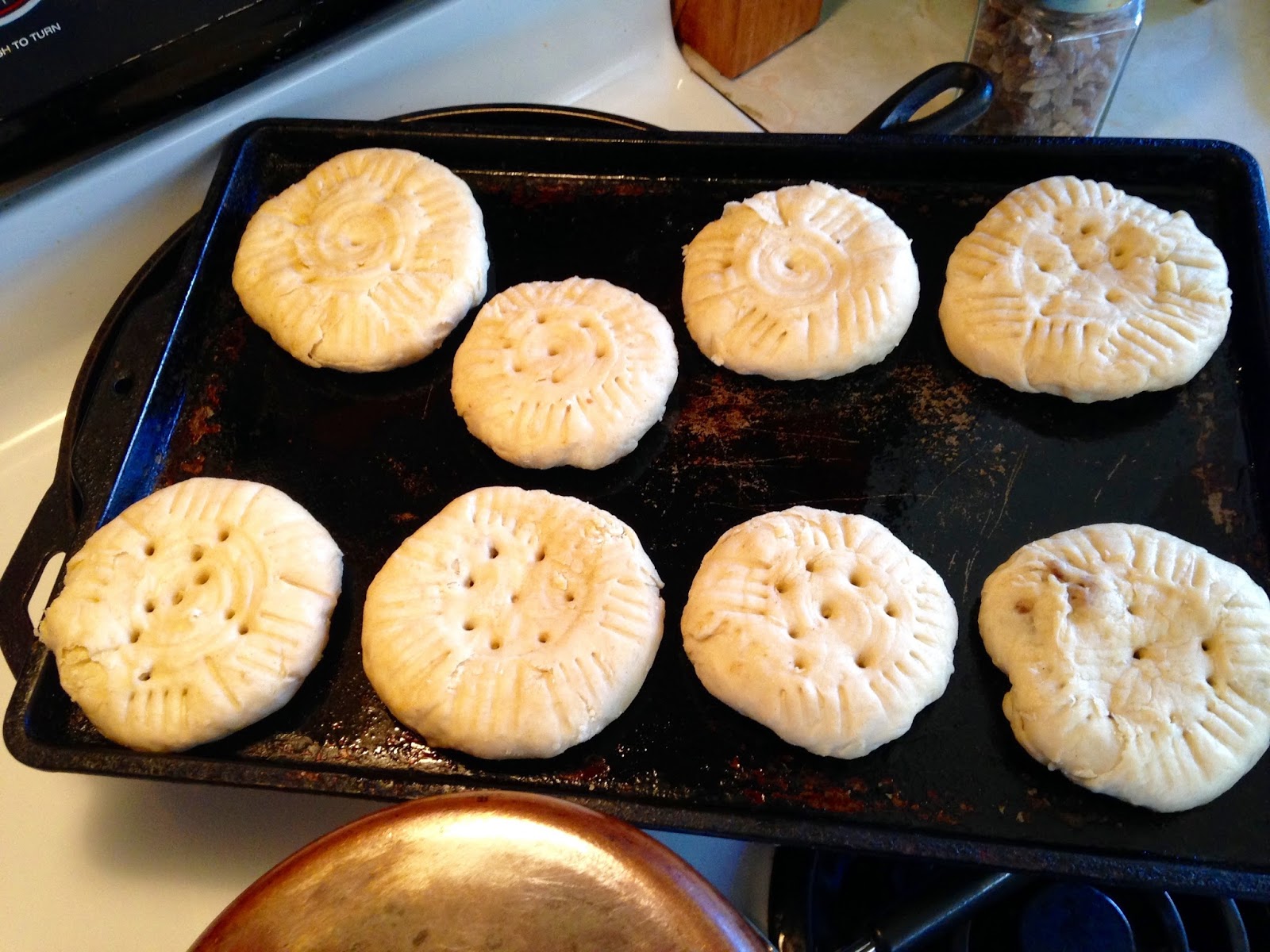
5. Make Koloocheh Cookies:
 Koloocheh is a Persian cookie with a rich date and walnut filling, baked for special occasions.


6. Set up a haft sin:
 A few days before Noruz every household spreads a tablecloth on the carpet or table called the Sofreh-e Haft Sin, or Cloth of Seven Dishes. When I taught art classes, we did a proper haft sin, with an appliquéd table cloth that my art class students made, inspired by Persian embroidered suzani.
After we spread the suzani out on the table, we had a hunt to find the symbolic items to put on the haft sin table- including seven bowls filled with seven symbolic foods, each beginning with the Persian letter sheen.
- Sharab- wine, for happiness
- Shakar- sugar, for sweetness
- Shir- milk, for nourishment
- Shireh- fruit syrup (usually grape), for vigor
- Shahd- honey, for productive teamwork
- Shirini- candy, more sweetness
- Shir berenj- rice pudding, for health

Other symbols of spring are also placed on the table; each family has its own traditions, but the common items are:
- Sabzeh sprouts, for new life
- A mirror to reflect the images of creation
- A candle for each child, to represent wisdom and happiness
- A Holy Book or book of poetry
- Spring flowers
- Colored eggs, for fruitfulness
- Coins, for prosperity
- Rose water for healing
- Cookies for a sweet life
 |
| Haft sin from 2016 |
Next the oldest person holds up a mirror and each person looks into the mirror and smiles. The mirror is for reflecting a person's past, and reminding a person to reflect on future goals and pledges. In Zoroastrian theology, the soul receives a reflection of a person's thoughts, words and deeds.


No comments:
Post a Comment